How to Clean a Bissell CrossWave
To clean a Bissell CrossWave, empty and rinse the tanks, clear the brush area, and run the cleanout cycle after each use. Let removable parts dry fully before storing the machine.
On this page (10 sections)
- How to clean a Bissell CrossWave after each use
- Which CrossWave cleaner and formula should you choose?
- How do you clean the tanks?
- How do you clean a CrossWave brush roll?
- How do you use the CrossWave cleanout cycle?
- How should you clean the CrossWave filter?
- What mistakes should you avoid when cleaning a CrossWave?
- How to clean a Bissell CrossWave: which setup fits you?
- How do you prevent odors when storing a CrossWave?
- How to clean a Bissell CrossWave: the decision
To clean a Bissell CrossWave, empty and rinse the tanks, clear the brush area, and run the cleanout cycle after each use. Let removable parts dry fully before storing the machine.
The exact cleaning steps vary by model, so check its manual before removing or rinsing parts. A CrossWave vacuums and washes floors at the same time; our guide to what a wet-dry floor cleaner does explains how that differs from a steam mop.
How to clean a Bissell CrossWave after each use
Empty the dirty-water tank, clear the brush area, and run the cleanout cycle if your model has one. A few minutes of care after each session helps prevent damp debris and dirty water from sitting inside the machine.
- Turn off and unplug the machine before routine maintenance. Follow the manual if it gives a different procedure for the cleanout cycle.
- Remove and empty the dirty-water tank.
- Rinse the tank and removable components only as the manual directs, then leave them to dry.
- Clear hair and debris from the brush roll area using the method in your manual.
- Run the cleanout cycle with the water or formula specified for your model.
- Wipe the exterior and let removable parts dry completely before reassembly or storage.
Keep liquid away from electrical connections and the machine's body. Don't immerse the machine or rinse parts the manual says to keep dry.
What does cleaning a Bissell CrossWave require?
You need the manual for your exact model, the right floor-cleaning formula, and time for removable parts to dry. Don't assume that a cleaning step for one CrossWave version applies to another.
A rinse tray can make cleanup easier. The CrossWave Turbo 3888A includes a rinse and cleanout storage tray for cleaning the machine and drying brush rolls.
Which CrossWave cleaner and formula should you choose?
Use Multi-Surface Solution for floor cleaning when your model's manual approves it, and use cleanout formula only for the interior when instructed. These formulas have different jobs, so don't substitute one for the other.
Multi-Surface Solution is intended for sealed floors and area rugs. It dissolves dirt, grime, and sticky messes, and Bissell says it is safe around children and pets when used as directed.
Choose it if you want one formula for both compatible hard floors and area rugs. Skip it if your machine's manual doesn't approve it, or if you need a cleaner for an unsealed surface.
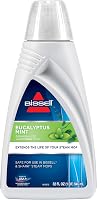
Cleanout Formula suits owners whose model calls for a dedicated formula during its cleanout cycle. Each 60 oz bottle contains 30 uses, but the manual should determine whether and how you use it.
Skip it if your model's instructions call for water or a different cleanout method. It isn't the floor-cleaning formula for everyday washing.
How do you clean the tanks?
Empty the dirty-water tank promptly, then rinse each tank only if the manual allows it. This removes collected water and debris before storage.
Clear visible dirt from the dirty-water tank and its removable components. Check around openings for hair or debris, but don't push tools into a port or valve.
The clean-water tank keeps water and formula separate from dirty water. Refill it only when you're ready to clean, using the formula and amounts specified for your model.
How do you clean a CrossWave brush roll?
Remove the brush roll only if your model's manual says it's removable, then clear away hair and debris. Rinse it only if permitted, and let it dry completely before reinstalling.
Check the brush roll cover and nearby openings for stuck debris. Use a soft cloth or the supplied cleaning tool if directed; sharp objects can damage the roll or seals.
If the roll is damaged or heavily worn, check the parts guidance for your model before ordering a replacement. Brush rolls may differ across CrossWave versions.
Can you use a CrossWave on carpet?
Some CrossWave models can refresh area rugs, but the surface guidance depends on the specific machine. Our guide to using a CrossWave on carpet explains what to check before cleaning a rug.
After rug cleaning, remove fibers and hair from the brush area. Give the roll and any washable parts time to dry before putting them back.
How do you use the CrossWave cleanout cycle?
Run the cleanout cycle as directed in your model's manual, and empty the dirty-water tank separately. The cycle helps rinse the machine's interior, but it doesn't remove debris from every area or replace routine cleanup.
This formula is designed to clean inside the CrossWave and help prevent odor-causing residue. Check your manual for the required amount and timing rather than guessing.
The Bissell CrossWave HydroSteam 3515G review covers a related machine with its own features. Follow the manual for your exact model because cleanout steps can differ.
How should you clean the CrossWave filter?
Follow the manual before rinsing or replacing the filter. If rinsing is allowed, let the filter air-dry completely before reinstalling it.
Use water only unless the manual says otherwise. Don't use a hair dryer or heater to speed drying, and don't run the machine with a damp filter.
The CrossWave Turbo 3888A has an antimicrobial-treated FreshStart filter designed to protect against odors. That feature doesn't remove the need to empty and clean the machine after use.
What mistakes should you avoid when cleaning a CrossWave?
Don't immerse the machine, use unapproved cleaners, or force tools into openings. These shortcuts can damage parts or leave residue inside.
Use only the formula and cleanout method specified for your model. Keep water away from electrical parts, unplug before routine maintenance, and don't run the machine with parts removed unless the manual instructs you to do so.
Don't store the machine with damp removable parts or a full dirty-water tank. A filter or brush roll that hasn't dried fully can hold moisture inside the machine.
For floor-surface questions, see our guides to steam mopping laminate floors and steam mopping vinyl floors. Steam-mop instructions don't automatically apply to a CrossWave.
How to clean a Bissell CrossWave: which setup fits you?
Choose the CrossWave Turbo 3888A if you want one corded machine to vacuum and wash compatible hard floors and refresh area rugs. Its two-tank design separates clean water and formula from dirty water, and its included tray supports cleanup and brush-roll drying.
This model suits homes with a mix of sealed hard floors and area rugs that fit its surface guidance. Bissell lists tile, sealed wood, laminate, linoleum, rubber floor mats, pressed wood, and area rugs among compatible surfaces.
Skip it if you want a steam mop, a cordless machine, or a cleaner for surfaces outside its guidance. It's corded electric, so plan around an outlet and the cord while you work.
Before the first cleaning, read the model manual, identify which parts can be removed, and confirm the approved formula. Set the machine up near a sink and a clear drying spot so you can empty the tank and leave damp parts out after cleaning.
For floor-care choices beyond a CrossWave, compare wet-dry floor cleaners with steam or review steam cleaners for floors. They serve different needs, so match the machine to your floor material and cleaning routine.
How do you prevent odors when storing a CrossWave?
Empty the dirty-water tank, remove debris, and let removable parts dry before storage. Damp residue left in a closed machine can contribute to odors.
Arrange the machine and its parts as the manual directs. If the brush roll or filter is still damp, leave it to dry longer before reassembly.
If odor remains after cleanup, repeat the cleanout steps and inspect the tank, brush area, and filter. Stop if you find a damaged part or can't clear a blockage safely, then check Bissell's support guidance for your model.
How to clean a Bissell CrossWave: the decision
After every session, empty the dirty-water tank, clear the brush area, follow the cleanout instructions, and dry removable parts. Choose Multi-Surface Solution for compatible floor cleaning and Cleanout Formula only when your model's manual calls for it inside the machine.
The CrossWave Turbo 3888A is a fit if you want a corded machine that vacuums and washes compatible floors and can refresh area rugs. If you need steam or have a surface outside its guidance, choose a cleaner designed for that job.
Frequently asked questions
How often should you clean a Bissell CrossWave?
Clean the dirty-water tank and brush area after every cleaning session so dirty water and debris don't sit inside. Run the cleanout cycle if your model has one, following its manual.
Check the filter and brush roll between uses if you notice reduced pickup or odor.
Dry removable parts fully before storing them.
Can you rinse a Bissell CrossWave filter?
Filter care varies by CrossWave model, so check the manual before rinsing it. If the manual allows rinsing, use water only and let it air-dry completely before reinstalling.
Don't run the machine with a damp filter or use heat to speed up drying.
Replace the filter only as the manual directs.
What solution should you use in a Bissell CrossWave?
Use a cleaning solution approved for your CrossWave model and follow the manual's mixing directions. Bissell Multi-Surface Solution is made for CrossWave and other leading hard-surface and area-rug cleaners when used as directed.
Don't add extra solution or other cleaners unless the manual permits them.
Use a separate cleanout formula only if your model's instructions call for it.
Why does a Bissell CrossWave smell?
A CrossWave can smell when dirty water, hair, or damp debris remains in the tanks or brush area. Empty the dirty-water tank, clear debris, and rinse only the parts the manual permits.
Let removable parts dry before storage.
If odor continues, check the filter and cleanout instructions for your model.