Can You Steam Mop Vinyl Floors?
Usually, you should not steam mop vinyl floors unless the flooring manufacturer says your exact floor can handle steam. Heat and moisture can affect vinyl planks and seams, so check the care instructions first.
On this page (7 sections)
- Can you steam mop vinyl floors safely?
- What can steam do to vinyl plank flooring?
- How should you check whether your floor allows steam?
- What's the safest way to clean vinyl floors without steam?
- Can a steam mop work on vinyl if the maker approves it?
- What should you do if you already steam mopped the floor?
- Should you choose a steam mop for vinyl?
Usually, you should not steam mop vinyl floors unless the flooring manufacturer approves steam for your specific floor. Heat and moisture can affect vinyl planks, seams, or adhesive, so check the care instructions before using a steam mop.
A steam mop's floor-surface claim does not override your flooring warranty or care guide. If you can't confirm steam is allowed, clean the floor with a lightly damp microfiber mop instead.
Can you steam mop vinyl floors safely?
You can steam mop vinyl only when the flooring manufacturer explicitly allows it. Vinyl products vary, and a general claim that a steam mop works on vinyl does not confirm that your particular floor is suitable.
Steam combines heat and moisture. That combination may affect the wear layer, adhesive, or plank edges, especially if a mop releases steam over a joint or stays in one spot.
Check the installation or care guide for your floor's exact product name. If it says to avoid steam, follow that instruction even if a mop manufacturer lists vinyl among its recommended surfaces.
Our guide to steam cleaners for floors explains why floor material and manufacturer guidance matter when choosing a cleaning method. For a similar question about another floating floor, see whether you can steam mop laminate floors.
What can steam do to vinyl plank flooring?
Steam may cause vinyl flooring to lift, warp, discolor, or change texture. The risk depends on the floor's construction, installation, condition, and the amount of heat and moisture it receives.
Water can also work into seams or edges. If planks are loose, damaged, or poorly sealed, moisture may reach areas that routine damp mopping would leave mostly dry.
Damage may not appear during the cleaning itself. Avoid using steam as a test on a hidden corner unless the flooring maker says that test is safe.
Can you steam mop vinyl floors on a low setting?
A low setting does not make steam automatically safe for vinyl. Use a steam mop only if the flooring maker permits it and gives guidance for the method.
The Amazon Basics Steam Mop has 3 steam levels, but that feature alone doesn't confirm that it suits your floor. Its maker describes it for sealed hard floors including vinyl.
If steam is permitted, follow both the floor-care instructions and the mop manual. Keep the mop moving, use the approved pad, and stop if the floor changes in appearance or feel.
How should you check whether your floor allows steam?
Find your flooring brand and product name, then check its care guide or ask its support team. Look specifically for steam-mop instructions and any limits on heat or moisture.
If you don't know the brand, ask the installer, landlord, or previous owner for product paperwork. Avoid guessing from the floor's appearance because different vinyl products can look alike.
A mop's surface recommendations are useful only after you confirm they match the floor maker's guidance. Shark describes the Steam Pocket Mop S3501 for sealed hard floors including vinyl, but that general description can't mean every vinyl floor is suitable.
For cleaning other sealed floor types, our guide to how to use a Shark Steam Mop covers setup and use. Check your own manual first if your floor has special care limits.
What's the safest way to clean vinyl floors without steam?
Sweep or vacuum first, then use a lightly damp microfiber mop and a floor-approved cleaner. Wring the mop well so it leaves no puddles, and wipe up excess moisture promptly.
Use a vacuum setting intended for hard floors, without a beater bar that could scratch the surface. Follow your floor's instructions before applying any cleaner, especially around seams and edges.
For stubborn marks, use only a method the flooring maker approves. Avoid abrasive pads, sharp tools, and strong solvents unless the care guide specifically allows them.
Can a steam mop work on vinyl if the maker approves it?
Yes, if your flooring maker approves steam and you follow its exact directions. Confirm whether the guidance covers your particular floor and whether it limits steam settings, pad type, or cleaning technique.
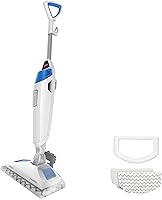
The Bissell PowerFresh Slim 3-in-1 has a steam-on-demand trigger, which gives control over when it releases steam. That feature does not replace floor-maker approval for vinyl.
Use only the approved setting and pad, keep the mop moving, and avoid directing steam at joints or edges. Stop if you see lifting, bubbling, discoloration, or a change in texture.
If your warranty or care guide is unclear, contact the flooring manufacturer before cleaning with steam. Our guide to best steam mops for vinyl floors can help compare features once you've confirmed steam is allowed.
What should you do if you already steam mopped the floor?
Stop using the steam mop and check the floor for changes. Look for lifted edges, open seams, bubbling, discoloration, or a new texture.
Let any damp area dry, and don't apply more heat to see whether the problem goes away. Contact the flooring maker or installer if you notice damage or aren't sure what to do next.
Check the warranty and care guide before trying a repair. For ongoing cleaning, switch to the floor maker's approved damp-mop method.
Should you choose a steam mop for vinyl?
Choose a steam mop for vinyl only when your flooring maker says steam is safe for your exact floor. If that guidance is missing or unclear, a lightly damp microfiber mop is the safer choice.
A steam mop's vinyl claim may fit some sealed floors, but it cannot account for every vinyl plank, seam, adhesive, or warranty. Confirm the floor's care rules before buying or using one.
For a steam mop that has maker approval for your floor, compare features in our steam cleaner guide for floors. If you decide to clean without steam, use the method in your flooring care guide and keep excess water off the surface.
Frequently asked questions
Can you steam mop vinyl plank flooring?
Usually, avoid steam on vinyl plank flooring unless its manufacturer specifically approves it. Heat and moisture can affect the wear layer, adhesive, or seams, and damage may not show right away.
Check the floor's care guide and warranty, then use a damp microfiber mop if steam is not approved.
What happens if you steam mop vinyl floors?
Steam may soften, warp, discolor, or loosen vinyl flooring, especially where heat or moisture reaches seams and edges. The risk depends on the floor's construction and the steam mop's output.
Stop if you notice lifting, changes in texture, or water near joints, and contact the flooring maker for advice.
How should you clean vinyl floors without a steam mop?
Sweep or vacuum with a hard-floor setting, then wipe with a well-wrung microfiber mop and a cleaner approved for your floor. Use little water, avoid abrasive tools and harsh chemicals, and dry any puddles promptly.
Follow the flooring maker's instructions for routine cleaning and stubborn marks.
Can a steam mop damage vinyl flooring even on a low setting?
Yes, a low setting does not guarantee that steam is safe for vinyl. Heat and moisture can still reach seams or edges, and some floors may have specific limits.
Use steam only when the flooring maker approves the exact method, temperature, and pad for your floor.