Can You Steam Mop Laminate Floors?
Usually, don't steam mop laminate floors unless the maker of your exact floor says steam is safe. Check its care guide first, then choose a compatible cleaning method.
On this page (8 sections)
- Can you steam mop laminate floors safely?
- What can steam do to laminate seams?
- How should you clean laminate without steam?
- Which steam mop features matter if your floor allows steam?
- How do you set up a steam mop for approved laminate?
- What mistakes should you avoid?
- What should you choose if the instructions are unclear?
- Should you steam mop laminate floors?
Usually, don't steam mop laminate floors unless the maker of your exact flooring says steam is safe. Heat and moisture can reach the seams and core, so check the care instructions before choosing a steam mop.
The answer to “can you steam mop laminate floors” depends on the floor, not just the mop. Some steam mop brands describe their machines for sealed hard floors that include laminate, but that doesn't mean every laminate floor or installation is approved.
If you can't find clear instructions, use a dry microfiber mop or an approved lightly damp method while you check. Our guide to steam cleaners for floors explains why the floor's material and care rules should shape your choice.
Can you steam mop laminate floors safely?
You can steam mop laminate only when its maker specifically allows it. Check your flooring's care guide or contact the maker if the instructions are unclear.
Laminate commonly has a wear layer over a wood-based core. Steam can leave heat and moisture around joints, edges, or damaged spots, where the core may swell or the surface may lift.
Look for guidance that names steam mops, steam cleaners, or wet cleaning. A general mention of laminate on a mop's packaging doesn't override instructions for your exact floor.
Can you use a Shark steam mop on laminate floors?
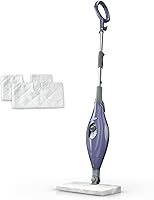
Shark describes the Steam & Scrub S8001 and SteamSpot S2001 for sealed hard floors, including laminate. Your floor maker still has the final say about using steam on your particular flooring.
If both sets of instructions allow it, follow the specified settings and technique. Keep the mop moving, avoid lingering over joints, and stop if moisture gathers or the floor changes.
The Shark Steam & Scrub may suit you if your floor is approved for steam and you want Light, Normal, and Deep modes for different cleaning jobs. Skip it for laminate if your floor guide is silent or says to avoid steam.
What can steam do to laminate seams?
Steam can expose seams to heat and moisture that the flooring may not tolerate. Worn edges, gaps, chipped corners, and areas that already collect water deserve extra caution.
Watch for raised edges, swelling, color changes, or joints that no longer sit flat. Stop cleaning if you spot a change, and dry visible moisture with a clean cloth.
Avoid repeated passes over one seam or using steam to tackle a stain unless your flooring instructions approve it. A clean-looking surface doesn't show whether moisture has reached a joint.
How should you clean laminate without steam?
Remove grit first, then use only a slightly damp pad if your care guide allows it. Keep standing water away from seams and dry any damp areas promptly.
- Sweep or use a microfiber dust mop to pick up grit.
- Vacuum with a hard-floor setting or an attachment that won't scratch the surface.
- Wipe sticky spots with a well-wrung microfiber cloth and a floor-approved cleaner.
- Dry the area with a clean cloth if any moisture remains.
Don't pour water or cleaner onto the floor. Avoid soaking the pad, and skip cleaners the flooring maker says may dull or damage the finish.
Cleaning rules can differ across hard floors. Read our guides to steam mopping vinyl floors and using a Shark steam mop on hardwood before applying one floor's advice to another.
Which steam mop features matter if your floor allows steam?
First confirm that your floor permits steam; then choose features around the work you need to do. Settings, scrubbing tools, and refill convenience matter only within the limits in your flooring instructions.
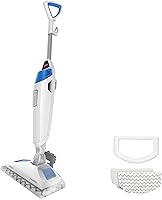
The Bissell PowerFresh Deluxe 1806 has High and Low steam modes, a SpotBoost Brush for stuck-on messes, and a 30-second warm-up. Bissell describes it for sealed hard floors, but not specifically laminate, so check with your floor maker before considering it for that surface.
Choose this Bissell if you need two steam levels and a brush for messes on approved floors. Skip it for laminate if your care guide doesn't allow steam; adjustable settings don't make a prohibited method safe.
The Shark SteamSpot S2001 offers Light, Normal, and Deep modes, a targeted steam blast, and a removable tank. Shark describes it for sealed hard floors including laminate, and it weighs under 5 lb, which may appeal if you want a lighter mop for tight spaces.
Choose the SteamSpot if your floor's instructions allow steam and you want several modes or targeted steam for stubborn spots. Pass on it if steam isn't approved, or if you prefer a simpler damp-mop routine.
For machine setup and operating steps, see how to use a Shark steam mop. Follow that guide for the mop and your flooring instructions for the surface.
How do you set up a steam mop for approved laminate?
Use a steam mop on laminate only after confirming that both the floor and mop instructions allow it. Prepare the floor and machine as directed before the first pass.
Start with a clean pad and remove grit so the mop doesn't push debris across the surface. Fill the tank using the mop's stated instructions, select only an allowed setting, and try a small, inconspicuous area if the floor maker recommends it.
Work in short, steady passes rather than holding the mop over a seam. Don't add cleaning products to the water unless the mop instructions specifically permit them.
What mistakes should you avoid?
The biggest mistake is assuming that “sealed hard floors” means every laminate floor is safe for steam. Confirm the exact floor guidance instead of relying on a broad surface label.
Don't steam over gaps, lifted edges, or damaged areas, and don't leave the mop parked in one spot. Avoid using a hotter or deeper setting to speed up cleaning unless both sets of instructions allow it.
Don't assume that a sanitizing feature changes the floor's care limits. Use sanitizing claims only under the stated directions and when your floor maker permits steam.
What should you choose if the instructions are unclear?
Choose dry dusting and floor-approved damp cleaning until you can confirm the care method. That keeps added moisture low while you check the floor model and installation instructions.
If you can't find a clear answer, contact the flooring maker or installer. Don't guess based on a mop's surface list, and don't use steam if either the mop or floor instructions prohibit it.
For a wider look at the available tools, read what to know before buying a steam cleaner for floors. The right machine depends on which cleaning methods your floor can handle.
Should you steam mop laminate floors?
Pick a steam mop only when the maker of your exact laminate floor allows steam and the machine's instructions support the same use. If either answer is no or unknown, choose dry dusting and an approved lightly damp method.
The Shark Steam & Scrub suits approved floors when you want rotating pads and three modes. The lighter Shark SteamSpot adds a targeted steam blast, while the Bissell PowerFresh Deluxe gives you two steam levels and a spot brush for approved sealed floors.
If you're still asking, “can you steam mop laminate floors?” check the floor guide before buying or using any of these machines. When steam isn't clearly allowed, a microfiber mop and a small amount of approved cleaner are the safer choice.
Frequently asked questions
Can you use a Shark steam mop on laminate floors?
Only if the maker of your exact laminate floor allows steam cleaning. Shark describes the Steam & Scrub S8001 and SteamSpot S2001 for sealed hard floors including laminate, but your floor's own care guide determines whether steam is suitable.
Check both sets of instructions before you use the mop.
What happens if you steam mop laminate?
Heat and moisture can enter laminate seams and reach the wood-based core, which may swell or change shape. The risk depends on the floor and its condition, so stop if you notice raised edges, gaps, discoloration, or moisture collecting at a joint.
How should you clean laminate floors instead?
Remove grit with a microfiber dust mop or a hard-floor-safe vacuum, then use a well-wrung damp microfiber pad if your care guide allows it. Choose a floor-approved cleaner, keep water away from seams, and dry damp spots promptly.
Does a steam mop sanitize laminate flooring?
Don't use steam to sanitize laminate unless the floor maker and mop instructions both allow that method. Sanitizing directions apply only under their stated conditions, so use the cleaning method approved for your floor when steam isn't permitted.