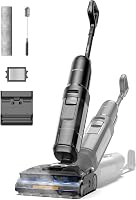
What Is a Wet-Dry Floor Cleaner?
A wet-dry floor cleaner vacuums loose debris and washes supported floors in one pass, then collects dirty water in a tank or disposable pad. Choose one by matching its floor guidance and cleanup routine to your home.
On this page (9 sections)
- What is a wet-dry floor cleaner?
- How does a wet-dry floor cleaner work?
- What types of wet-dry floor cleaners can you choose?
- What floors can a wet-dry cleaner handle?
- How do you choose a wet-dry floor cleaner?
- How do you set up and use a wet-dry floor cleaner?
- How should you care for a wet-dry floor cleaner?
- What mistakes should you avoid with a wet-dry cleaner?
- Which wet-dry floor cleaner should you choose?
A wet-dry floor cleaner vacuums loose debris and washes supported floors in one pass, then collects dirty water in a tank or disposable pad. It can save you from sweeping and mopping separately, but the machine still needs care after use.
The term covers everything from a cordless vacuum mop with disposable pads to a powered floor washer with a roller and water tanks. Choose by the floors you have, the mess you need to handle, and how much cleanup you’re willing to do.
What is a wet-dry floor cleaner?
A wet-dry floor cleaner is a machine that picks up dry debris while washing a surface with water or cleaning solution. Many models use suction to collect debris and dirty liquid.
A regular vacuum is built for dry debris, while a steam mop heats water to produce steam and wipes the floor with a pad. A wet-dry cleaner applies liquid directly, so the floor may stay damp until it dries.
Some machines keep clean and dirty water in separate tanks. Others collect debris and liquid in an absorbent pad, so you discard the mess after cleaning.
How does a wet-dry floor cleaner work?
Most wet-dry floor cleaners apply liquid, wipe or scrub the floor, and collect loosened debris and dirty water. A powered roller, brush, or pad moves across the surface as suction or absorbent material gathers the mess.
With a two-tank design, clean water or solution stays apart from the dirty water. A pad-based cleaner handles the debris differently: the Shark VACMOP VM252 uses suction to capture dry debris in a disposable pad’s dirt chamber, then sprays solution on tough messes.
These machines suit routine crumbs, spills, and tracked-in dirt on supported floors. For a large pile of dry debris, clear it first so the wet cleaning pass doesn’t push a heavy mess around.
What types of wet-dry floor cleaners can you choose?
Wet-dry floor cleaners generally come as vacuum-mop combos, roller-based washers, or steam-capable machines. The collection method affects how you use and clean each one.
What is a vacuum-mop combo?
A vacuum-mop combo picks up debris while washing or wiping the floor. Some use a reusable roller and water tanks, while others use disposable pads with a built-in debris chamber.
The Bissell CrossWave Turbo 3888A vacuums and washes at the same time, with separate tanks for clean water and formula and dirty water. It’s designed for several hard surfaces and area rugs.
This type suits homes where you want to collect both dry debris and wash water in one pass. Check the exact floor guidance before using it on a rug; you can read more about using a CrossWave on carpet.
What is a roller-based floor washer?
A roller-based washer feeds clean water to a brush or roller, then collects loosened debris and dirty liquid. Some models also have a rinse cycle to clean the roller after use.
The Tineco Floor ONE i5 Stretch sprays clean water while scraping dirt from its roller as it works. Its 180-degree lay-flat design reaches under low furniture, and the dual-sided edge design cleans along walls on both sides.
The Shark HydroVac MessMaster WD161 has separate clean- and dirty-water tanks and a dock rinse cycle that flushes the brushroll. It’s designed for sealed hard floors and can also remove surface dirt and odors from area rugs.
A rinse cycle helps with cleanup, but it doesn’t remove the need to empty the dirty tank or check for trapped debris. Browse wet-dry floor machines to compare more options.
Is a steam cleaner a wet-dry floor cleaner?
A steam cleaner is different from a wet-dry vacuum mop. It heats water to make steam and usually wipes with a pad instead of suctioning dirty water into a tank.
Some machines combine steam with vacuuming or washing features, so check the specific design before buying. Our guide to wet-dry vacuums with steam covers that combined category.
What floors can a wet-dry cleaner handle?
A wet-dry cleaner can handle only the surfaces its instructions approve. Many are designed for sealed hard floors, while a smaller group also supports surface cleaning on area rugs.
The Shark VACMOP VM252 is designed for sealed hardwood, laminate, tile, stone, marble, and vinyl. The Shark HydroVac MessMaster WD161 is designed for sealed hardwood, tile, marble, and laminate, and can remove surface dirt and odors from area rugs.
Don’t assume that a machine’s ability to collect liquid makes it safe for every floor. Unsealed wood, delicate finishes, seams, and carpet each call for a separate check.
For steam-specific advice, read whether you can steam mop laminate floors or whether you can steam mop vinyl floors. Wet-dry cleaners use a different method, so follow their own floor-care guidance.
How do you choose a wet-dry floor cleaner?
Choose a wet-dry floor cleaner by comparing floor compatibility, mess pickup, water handling, and cleanup. These points determine whether the machine fits your rooms and routine.
- Floor types: Confirm that the machine supports every surface you plan to clean.
- Mess size: Match the cleaner to routine crumbs and spills, or to more frequent wet messes and tracked-in dirt.
- Collection method: Choose a disposable pad if you want to discard the mess, or a tank-and-roller design if you want to collect dirty water.
- After-use care: Check which parts need emptying, rinsing, washing, or drying.
- Rugs: Look for support for your intended rug use. Hard-floor compatibility alone isn’t enough.
- Power and layout: Choose corded or cordless operation based on your rooms. A low-profile design may help if you need to clean under furniture.
For a cordless pad cleaner, the Shark VACMOP VM252 suits quick cleanups on sealed floors and avoids touching the used pad. Skip it if you want a reusable roller and tank system, or don’t want to replace disposable pads.
For low furniture and edge access, the Tineco Floor ONE i5 Stretch offers a lay-flat body and cleaning along both sides. Skip it if you want the simplest possible cleanup routine and don’t want to maintain a roller, filter, and water tanks.
For separate water tanks and an automatic brushroll rinse cycle, the Shark HydroVac MessMaster WD161 is a fit for sealed floors and surface dirt on area rugs. Skip it if you need a cordless cleaner, since this model is corded.
For simultaneous vacuuming and washing across its supported surfaces, the Bissell CrossWave Turbo 3888A is a practical option for homes with hard floors and area rugs. Skip it if you want a disposable-pad system or a cordless machine.
For a side-by-side look at two roller machines, read Shark HydroVac vs Tineco Floor ONE. If pet hair is the main concern, compare the best wet-dry vacuums for pet hair.
How do you set up and use a wet-dry floor cleaner?
Set up a wet-dry floor cleaner by checking floor compatibility, preparing the right cleaning solution or pad, and clearing large debris first. Follow the model’s instructions for filling, charging, and operation.
Fill the clean-water tank only as directed, or attach a fresh disposable pad for a pad-based machine. Use a solution intended for that model, then make a small pass and let the floor dry before walking over it.
Move at a steady pace and use the spray or boost function only where extra solution is needed. Don’t soak a floor, use an unapproved cleaner, or expect a hard-floor machine to handle every rug.
How should you care for a wet-dry floor cleaner?
Care for a wet-dry floor cleaner by emptying dirty water and cleaning floor-contact parts after each use. Follow the manual for the tank, filter, roller, and pad.
A self-cleaning cycle can rinse some parts, but you may still need to empty the tank and remove trapped debris. Let washed parts dry as directed before storage to help prevent odors.
For a pad-based machine, discard the used pad after cleaning and use the solution made for the model. Our guide to steam cleaners for floors explains what to consider if you’re comparing a wet-dry cleaner with a steam option.
What mistakes should you avoid with a wet-dry cleaner?
The most common mistakes are using a machine on an unsupported floor, skipping cleanup, or expecting one pass to handle every kind of mess. Check the instructions and clear the floor before you start.
Don’t use a wet-dry cleaner on unsealed or delicate flooring unless its instructions allow it. Avoid applying extra solution across the whole room when a targeted spray is enough.
Don’t leave dirty water in the tank or put a damp roller away without the care steps the manual requires. A rinse cycle can help, but it does not replace checking and emptying the parts that hold debris.
Which wet-dry floor cleaner should you choose?
Pick a wet-dry floor cleaner based on your cleanup routine and floor types. Choose the Shark VACMOP VM252 for quick sealed-floor cleanup with disposable pads, the Tineco Floor ONE i5 Stretch for low furniture and edge access, or the Shark HydroVac WD161 for a corded tank-and-roller cleaner with a dock rinse cycle.
Choose the Bissell CrossWave Turbo 3888A if you want simultaneous vacuuming and washing across its supported hard floors and area rugs. Before buying, confirm the surface guidance and after-use care; if steam is the deciding factor, compare steam cleaners for floors with steam mops for different floor types.
Frequently asked questions
What does a wet-dry floor cleaner do?
A wet-dry floor cleaner picks up loose debris while washing a supported floor, often in one pass. Many models use a roller or pad and collect dirty liquid separately from clean water or cleaning solution.
Designs vary, so check which surfaces the machine supports and how it handles collected mess.
Is a wet-dry floor cleaner the same as a steam mop?
No. A wet-dry floor cleaner usually applies water or cleaning solution and uses suction or an absorbent pad to collect debris and dirty liquid.
A steam mop heats water to make steam and wipes the floor with a pad.
Check floor-care instructions before using either type.
Can a wet-dry floor cleaner clean rugs?
Some wet-dry cleaners can refresh surface dirt on certain area rugs, while others are meant for sealed hard floors. Rug use depends on the model and surface, so follow the machine’s instructions.
Do not assume a cleaner for hard floors can wash every rug or carpet.
Do wet-dry floor cleaners need cleaning after use?
Yes. Empty the dirty-water tank, remove trapped debris, and rinse or dry parts as the manual directs.
Some machines have a rinse cycle, but you may still need to empty tanks and check the brush or filter.
Replace disposable pads after use.