How Often Should You Steam Mop Your Floors?
Steam mop most sealed hard floors once a week, and spot clean high-traffic paths or spills as they happen. Laminate and engineered hardwood need less steam and more caution, so check the maker's care instructions before you set a routine.
On this page (10 sections)
- How often should you steam mop your floors?
- What do the floor maker's care instructions say?
- How often should you steam mop tile and grout?
- How often should you steam mop laminate floors?
- How often should you steam mop vinyl floors?
- How often should you steam mop engineered hardwood?
- How do you set a weekly steam routine?
- Which tools make a weekly steam routine easier?
- What mistakes throw off a steam mop schedule?
- How often should you steam mop your floors? The short answer
Steam mop most sealed hard floors once a week, and spot clean high-traffic paths or spills as they happen. Laminate and engineered hardwood need less steam and more caution, so check the maker's care instructions before you set a routine.
The honest answer depends less on a calendar and more on what the floor is made of. A tiled kitchen and a laminate bedroom should not follow the same schedule.
Start with the care instructions, then build a routine around the rooms you actually walk through.
How often should you steam mop your floors?
Once a week is the right default for sealed tile, ceramic and vinyl. Steam lifts everyday grime and dries fast because it releases very little water.
Weekly works because steam does not need soap or a soaking mop. A single pass on a sealed surface handles crumbs, sticky spots and light film.
Rooms with pets or small children may want a second pass midweek on the busiest path.
Weekly is also easier on the floor than daily steam. Repeated heat and moisture add up over time, even on sealed surfaces.
One thorough pass beats several light ones for both the floor and your time.
Set the routine around traffic rather than the whole house. Kitchen, entryway and bathroom usually earn a weekly pass.
Spare rooms and bedrooms can wait longer if no one walks through them in shoes.
What do the floor maker's care instructions say?
The floor maker's care instructions decide the schedule, not a general rule. Sealed floors that allow damp cleaning usually accept steam.
Floors that warn against standing water need a lighter hand.
Check the care sheet for the words "sealed", "damp mop" or "no steam". A floor rated for damp cleaning can usually take a steam mop set to low.
A floor that says "no wet cleaning" should not get steam at all.
Seal condition matters as much as the floor type. Steam only belongs on a fully sealed surface, so test a hidden corner first on older floors.
If water beads on the surface, the seal is holding. If it soaks in, stop and reseal before steaming.
How often should you steam mop tile and grout?
Steam tile once a week and grout every two to four weeks, or sooner in a kitchen or bathroom. Tile is the most steam-friendly hard floor, and grout lines collect the dirt you notice most.
Weekly steam keeps tile looking even and handles grease near the stove. Grout benefits from a scrubbing brush or a mop with a flip-down scrubber, because steam alone loosens grime but does not always lift it from the lines.
Bathrooms can handle a weekly pass too, since moisture is already part of the room. Let the floor dry fully and run a fan if the room stays humid.
Sealed grout handles steam better than unsealed grout, which can absorb water.
How often should you steam mop laminate floors?
Steam laminate rarely, or not at all, because laminate is a wood-composite product that swells when moisture gets into its seams. Many laminate makers advise against steam, so read the care sheet first.
If your laminate is rated for it, keep steam to a low setting and move quickly. A dry or barely damp mop is the safer routine for most laminate.
Our guide on whether you can steam mop laminate floors covers the seal and setting details in full.
For laminate, treat steam as a spot tool rather than a weekly habit. Use it on a sticky spill, then dry the area right away.
A regular vacuum and a damp mop cover the weekly cleaning without adding moisture to the seams.
How often should you steam mop vinyl floors?
Steam vinyl once a week to once every two weeks, depending on traffic. Luxury vinyl plank and sheet vinyl are water-resistant, so they handle steam better than laminate.
Vinyl still has seams and edges where moisture can creep in. Keep the mop moving and avoid parking it in one spot.
Our guide on whether you can steam mop vinyl floors explains how to check the wear layer and sealing.
Sheet vinyl with few seams is the easiest vinyl to steam. Plank vinyl with many joints deserves a lighter schedule and a quick dry pass afterward.
Either way, a weekly vacuum does more for the floor than extra steam passes.
How often should you steam mop engineered hardwood?
Steam engineered hardwood sparingly, and only if its care instructions allow it. The top layer is real wood, and too much heat or moisture can dull the finish or work into the edges.
Many engineered hardwood floors are finished with a factory seal that tolerates a damp mop. Steam is a step further, so confirm it in the care instructions first.
Our guide on whether you can steam mop engineered hardwood floors walks through the finish and seam questions.
For these floors, use steam on a low setting for occasional refreshes and rely on a damp mop for the weekly clean. Wipe up spills right away and never leave a wet pad sitting on the boards.
How do you set a weekly steam routine?
Pick one day a week and steam the busiest rooms first, then work outward. A set day keeps the floor from building up grime between passes.
- Vacuum or sweep the whole floor and clear furniture from the path.
- Fill the tank and let the mop heat while you finish the prep.
- Steam in straight, overlapping passes and keep the mop moving.
- Swap or rinse the pad when it looks soiled.
- Let the floor dry fully before walking on it.
Plan spot cleans between weekly passes for spills and pet accidents. A quick pass on the kitchen path takes less time than a full room and keeps the weekly job shorter.
Which tools make a weekly steam routine easier?
A steam mop with a scrubber, demineralized water and spare pads covers the weekly job well. The right tools shorten each session and protect the floor over time.
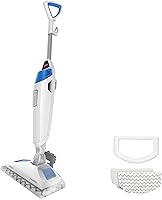
The Bissell PowerFresh 1940A is a corded upright with a 12 in cleaning path and a 23 ft power cord. Bissell says it kills 99.9% of germs when used as directed.
Its 16 fl oz removable tank and three steam settings let you drop to low for delicate sealed floors. Reusable microfiber pads are washable, so a weekly routine does not mean buying pads every time.
It is designed for sealed hardwood, tile, ceramic, granite and marble. Use the Easy Scrubber for grout lines and dried spills rather than for every pass.
The brand supports the BISSELL Pet Foundation with each purchase. Fill the tank at the sink, since the removable design makes refills quick.
For floors that only tolerate light steam, the low setting gives you a way to keep the weekly habit without soaking the surface.
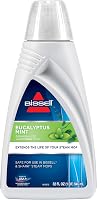
The BISSELL Eucalyptus Mint demineralized steam mop water comes in a 32 oz bottle. BISSELL says it contains no harsh chemicals and leaves no dulling residue.
Demineralized water reduces the mineral buildup that tap water can leave in a steam mop over time. It carries a light eucalyptus mint scent as you clean.
Use it as the water you load for weekly passes on sealed floors. The 32 oz size is enough for several tank refills on a typical upright mop.
See our guide to distilled water in a steam mop if you want to compare it with plain distilled water. Skip it if you prefer unscented water or your mop maker specifies distilled water only.
The BIHARNT 12-pack fits several Shark Steam & Scrub models, including S8001, S8201, S8000 and S7001. The pack includes three pad styles that replace without tools.
The pads are machine washable and designed for sealed hardwood, marble, tile, stone, laminate and vinyl. Scrubbing strips help with sticky messes without scratching the floor.
Keep two or three pads in rotation so a soiled pad never delays the weekly pass. Check the model number on your mop before ordering, since the fit covers specific Shark Steam & Scrub models only.
Skip the set if you own a different brand of steam mop or already have spare pads.
What mistakes throw off a steam mop schedule?
Steaming too often and steaming too wet are the two common mistakes. Both add moisture the floor does not need and shorten its finish life.
- Steaming an unsealed floor, which lets water into the seams.
- Parking the mop in one spot while steam keeps flowing.
- Using the highest steam setting on a delicate sealed floor.
- Skipping the vacuum step and pushing grit around with the pad.
- Leaving a wet pad on the floor after the pass.
Fix the setting first, since low steam solves most of these. Then keep the mop moving and dry the floor after each pass.
A weekly schedule only helps if each pass is light and quick.
How often should you steam mop your floors? The short answer
Weekly for most sealed hard floors, less for laminate and engineered hardwood, and spot clean whenever something spills. The care instructions are the final word for any floor you are unsure about.
Match the routine to the surface. Tile and vinyl take a weekly pass with a mop on low or medium steam.
Laminate and engineered hardwood do better with a damp mop and steam only for occasional spot work. Keep the pad clean, use demineralized water to limit buildup, and let the floor dry fully each time.
That routine answers how often to steam mop your floors without wearing out the finish or wasting an afternoon.
Frequently asked questions
Can you steam mop the same room every day?
Only if the floor maker allows frequent steaming and the room takes heavy daily traffic. Daily steam on laminate or engineered hardwood adds moisture with little benefit.
For most homes, a weekly full pass plus quick spot cleans covers everyday dirt.
Does a steam mop clean better than a regular mop?
A steam mop sanitizes sealed hard floors with heat and uses very little water, so it dries fast. A regular mop can scrub larger debris but leaves more water behind.
Pick steam for weekly cleaning on sealed tile, and use a damp mop on floors that cannot handle heat or moisture.
How long should a steam mop take to dry a floor?
Most sealed hard floors feel dry within a minute or two after a steam pass, because steam releases very little water. Keep pets and bare feet off the floor until it feels completely dry.
Laminate and hardwood may need a little more time in humid weather.
Should you vacuum before steam mopping?
Yes. Vacuum or sweep loose dirt and crumbs first so the mop pad works on grime rather than pushing grit around.
A clean pass also keeps the pad from loading up too fast.
Shake out or swap the pad when it looks soiled.
How often should you wash steam mop pads?
Wash reusable microfiber pads after every one to three steam sessions, depending on how dirty the floor gets. Rinse them after use and let them dry fully before storing.
A clean pad spreads less dirt and cleans better on the next pass.