How Much Does a Steam Cleaner Cost?
A steam cleaner costs roughly 40 dollars to 80 dollars for a basic steam mop, 80 dollars to 150 dollars for a better mop with more pads and steam settings, and 150 dollars to 300 dollars or more for a canister steam cleaner with a large tank and a kit of accessories. Floor coverage, tank size and how many accessories come in the box drive the price more than brand name.
On this page (9 sections)
- What are the main price tiers for steam cleaners?
- How much does a steam mop cost compared with a canister model?
- What features push the cost of a steam cleaner up?
- Which steam cleaner fits each budget?
- How much does a steam cleaner cost to run and maintain?
- What hidden costs should you budget for?
- Does a steam cleaner cost more than other floor cleaning methods?
- Do steam cleaners drip and cause extra costs?
- How should you set a steam cleaner budget?
A steam cleaner costs roughly 40 dollars to 80 dollars for a basic steam mop, 80 dollars to 150 dollars for a better mop with more pads and steam settings, and 150 dollars to 300 dollars or more for a canister steam cleaner with a large tank and a kit of accessories. Floor coverage, tank size and how many accessories come in the box drive the price more than brand name.
The number you'll pay depends on the surfaces you plan to clean. A one-floor apartment and a whole house with tile and grout need very different machines.
This guide breaks the cost down by type and by feature.
What are the main price tiers for steam cleaners?
Steam cleaners fall into three rough price tiers: budget mops, mid-range mops and canister cleaners. Each tier adds capacity or reach rather than a magic cleaning upgrade.
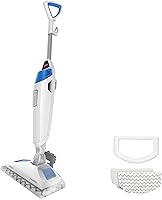
Budget steam mops carry a smaller tank and one or two pads. The Amazon Basics Steam Mop fits this tier with a 15 oz tank, 3 washable pads and a 30-second heat-up.
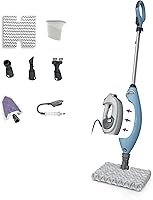
Mid-range mops add steam control and more pads. The Shark S3501 sits here, with two double-sided pads and swivel steering at under 5 lb.
Canister steam cleaners are the top tier. A large tank, a long hose and a box of brushes push the price up.
The McCulloch MC1385 leads this group with a 64 oz tank, 23 accessories and up to 120 minutes of steam.
How much does a steam mop cost compared with a canister model?
A steam mop costs less up front than a canister cleaner because it has a simpler design and fewer parts in the box. A canister model adds a hose, a bigger tank and a full accessory kit.
An upright mop is one unit with a head, a handle and a tank. Fewer moving parts mean a lower price and less to store.
It's built for floors, so you don't pay for detail tools.
A canister separates the tank from the cleaning head. That allows a hose, a floor mop attachment and brushes for grout and tile.
More parts mean a higher price and more storage space.
If your cleaning is mostly sealed floors, a mop gives you the most cleaning per dollar. If you want one machine for grout and tile too, the canister price is easier to justify.
Our steam mop vs steam cleaner comparison covers the trade-offs.
What features push the cost of a steam cleaner up?
Tank size, heat-up speed, steam control, cord length and included pads are the features that move the price most. Each one changes how the machine works day to day.
Tank size decides how long you clean before a refill. A 15 oz tank suits a kitchen; a 64 oz tank covers a whole house in one session.
Larger tanks cost more to build and ship.
Heat-up time matters for short cleaning bursts. A 30-second start gets you going fast; a 12-minute warm-up asks for more planning.
Faster heat is a convenience you may pay extra for.
Steam control lets you match output to the surface. Three levels or variable control suit mixed and delicate floors.
Fixed steam keeps the price lower.
Cord length affects how many outlets you visit. A 20-foot cord, or an 18-foot cord plus a 7-foot hose, cuts down on unplugging.
Longer cords cost more.
Included pads and accessories add value. Two or three washable pads mean fewer washes between rooms.
A 23-piece kit covers jobs a mop can't reach. A bigger box costs more but may save buying extras later.
Which steam cleaner fits each budget?
Pick the machine by the floors and jobs you actually have, then let the price follow. Three picks show what each tier buys you.
Which steam cleaner is best for a tight budget?
The Amazon Basics Steam Mop is the pick when you want a low-cost mop for sealed hard floors. It heats in 30 seconds and includes 3 washable microfiber pads plus a filling flask and scrubber tool.
Its 15 oz tank and 20-foot cord keep basic cleaning simple, and the self-standing design stores easily. Three steam levels give you some control over output.
It suits hardwood, tile, laminate, vinyl, stone and marble.
Skip it if you need to clean grout or detail around fixtures; its upright form is built for floors. Our guide to steam cleaners for floors explains what each type handles.
Which steam mop is best for everyday floors?
The Shark Steam Pocket Mop S3501 is the pick when you want a light mop for daily floor cleaning across rooms. It weighs under 5 lb and starts steaming in about 30 seconds.
The dual-sided pads let you flip the head to clean with both sides before washing. Swivel steering helps around furniture and in tight spaces.
Shark says it removes 99.9% of common household bacteria using just water on sealed floors.
Skip it if you want adjustable steam settings or a hose for detail work. Its 15.2 oz tank is smaller than a canister's.
For more mop options, see our roundup of the best steam cleaners for floors.
Which steam cleaner is best for grout and whole-house jobs?
The McCulloch MC1385 Canister Steam Cleaner is the pick when you want one machine for tile, grout and detail cleaning around the house. It packs a 64 oz tank, 23 accessories and up to 120 minutes of steam.
Variable steam control and a steam lock suit both light refreshes and heavy grout work. The 18-foot cord and 7-foot hose extend your reach.
McCulloch lists a 12-minute heat-up and up to 58 PSI of pressure.
It costs more and takes more storage space than an upright mop. If you have tile and grout to clean, this kit replaces several single-purpose tools.
How much does a steam cleaner cost to run and maintain?
Running a steam cleaner costs little beyond water and electricity, but pads and hard-water care add a small ongoing cost. The machine itself is the main expense.
Running costs come mostly from electricity to heat the tank. A larger tank takes longer to heat and uses more energy per session, though the amount stays modest.
Replacement pads are the most common ongoing cost. Washable microfiber pads last through many cycles but wear out over time.
A mop that ships with two or three pads gives you more time before you buy replacements.
Hard water leaves mineral buildup in the tank and on the head. In hard-water areas, distilled water helps keep the steam path clear.
That's an added cost, but it can extend the life of the machine. Brushes and scrub pads also wear out, so a kit with more pieces means more to replace eventually.
What hidden costs should you budget for?
Extra pads, replacement brushes and storage space are the costs buyers often forget. None of them is large, but they add up over the life of the machine.
Pads are the first extra. A home with pets or kids will wash pads often.
Budgeting for one spare set at purchase saves a wash-and-wait cycle.
Detail accessories are next. If you buy an upright mop and later want grout cleaning, you'll either buy brushes that fit or add a second machine.
Choosing a canister kit up front can avoid that second purchase.
Storage is a real but easy-to-miss cost. A canister cleaner with a hose and 23 accessories needs shelf or closet space.
An upright mop stands on its own in a corner. Measure your storage before you choose a tier.
Does a steam cleaner cost more than other floor cleaning methods?
A steam cleaner costs more up front than a mop and bucket, but it replaces some supplies and tools over time. The comparison depends on what you'd buy instead.
A mop and bucket is the cheapest way to start. You supply the bucket, mop head and cleaner.
A steam cleaner removes the need for floor cleaning solutions in most cases, since steam does the work with water.
Many homes keep both a vacuum and a steam cleaner, so the steam cleaner is an added cost rather than a replacement. Rentals cost per use and don't cover everyday touch-ups.
If you clean hard floors often, a steam cleaner earns its price. If you clean rarely or have mostly carpet, a mop and bucket may be enough.
Do steam cleaners drip and cause extra costs?
Some steam cleaners release water along with steam, and drips can leave streaks or add drying time. That's a use issue more than a cost issue, but it affects which model you should buy.
Drips happen when the tank is overfilled or the machine is tilted. They can also come from a head that pools water on a sealed floor.
A mop with good pad contact spreads moisture evenly.
Drips don't usually damage sealed floors, but they can leave marks on some surfaces. Our guide to whether steam cleaners drip covers the causes and fixes.
If drips bother you, look at models with steam control, since adjustable output lets you lower the moisture on delicate floors.
How should you set a steam cleaner budget?
Set your budget by the surfaces you clean most, then add a little for pads and accessories. A floor-only home rarely needs the top tier, and a tile-and-grout home gets more from a canister kit.
Start with the floor type. Sealed hardwood, laminate and vinyl suit an upright mop.
Tile and grout benefit from a canister with brushes. Mixed floors and detail jobs point to a canister model.
Then count your pads. Two or three washable pads cut down on mid-clean washes.
If you have pets or kids, add one spare set to the budget.
Finally, decide how much steam control you need. Fixed steam is fine for one floor type.
Adjustable steam helps when you move between delicate and tough surfaces. That's the main feature worth paying more for.
When you've answered the cost question for your home, match the tier to the job. Pick a budget mop for sealed floors and light messes.
Pick the Shark for everyday floor cleaning with two pads. Pick the McCulloch for grout, tile and whole-house detail work.
Compare your options in our roundup of the best steam cleaners for floors before you decide.
Frequently asked questions
Is a cheap steam mop good enough for everyday cleaning?
For sealed hard floors and light messes, yes. A budget mop with one pad and a small tank handles a kitchen or hallway, but you'll refill more often and wait between rooms.
Spend more when you want more pads, steam levels or a bigger tank.
What extra costs should I budget for after buying a steam cleaner?
Plan for replacement or extra microfiber pads, which wear out with washing and use. Distilled water helps prevent mineral buildup in hard-water areas.
A canister model may also need accessories for specific jobs, though many ship with a kit in the box.
Does a higher price mean a steam cleaner cleans better?
Not always. A pricier model usually adds capacity, steam control and accessories rather than stronger cleaning on a simple sealed floor.
Match the price to the surfaces you actually clean, and skip features you won't use.
Can one steam cleaner handle floors and grout?
A canister steam cleaner with a floor mop head and detail brushes handles both. Upright steam mops are built mainly for floors and reach grout only along the edge of the pad.
If grout and tile are priorities, budget for a canister model.