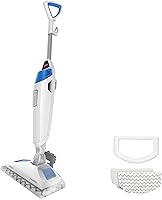
Do Steam Cleaners Drip?
Yes, steam cleaners drip, and a light trail of water is normal. Steam mops turn water into vapor and some of it condenses back into drops, but a steady puddle means the floor is too wet and needs a fix.
On this page (8 sections)
- Why do steam cleaners drip at all?
- Is a little water normal, or is something wrong?
- How do you stop a steam mop from leaving puddles?
- Which steam mop settings help control dripping?
- What else can make a steam cleaner drip?
- When should you check the machine instead of your technique?
- Which steam cleaner is least likely to drip?
- So, do steam cleaners drip?
Yes, steam cleaners drip, and a light trail of water is part of how they work. Steam mops turn water into vapor, and some of that vapor cools and condenses back into drops as it touches the floor.
A thin film that dries in a minute or two is normal. A wide puddle or a floor that stays wet long after the pass is not, and it usually points to a cause you can fix.
If you're still shopping, it helps to know how much water a steam cleaner for floors puts out before you buy.
Why do steam cleaners drip at all?
A steam cleaner drips because not all of the steam stays vapor. The heating element turns water into steam, the steam travels to the pad, and part of it cools and condenses on contact with the cooler floor.
That condensed water is the light dampness left behind.
It is not a leak in most cases. The tank feeds water to the heater at a set rate, and the pad picks up the extra moisture as you push.
On a warm day, or on a floor that's already warm, more of the steam stays vapor and less water shows. On a cold floor, more condenses.
That's why the same mop can leave a different amount of water in a cold hallway and a sunlit kitchen. It's also why a dripping head is more likely when you move slowly and hold the mop in one spot.
The steam has nowhere to go but down into the same patch of floor.
Is a little water normal, or is something wrong?
A little water is normal, and a puddle is a signal. The useful test is time.
Wipe a finger across the floor right after a pass.
If the film dries within a minute or two and leaves no shine or rings, the mop is working as intended. If water beads, pools, or sits in a patch after several minutes, something is off.
The most common causes are a saturated pad, too slow a push, a water tank that's overfilled, or a floor that's too cold. A puddle is also a safety issue on smooth tile or laminate, so stop and fix it before you keep cleaning.
One or two drops at the head between passes is not worth worrying about.
How do you stop a steam mop from leaving puddles?
Fix the pad first, then the pace, then the tank. These three changes stop most dripping without touching the machine.
Use a dry pad and keep it moving
A wet pad is the number one cause of a wet floor. A microfiber pad holds a lot of water, and once it's soaked, the mop spreads that water instead of steam.
Swap to a fresh dry pad when the head feels heavy or leaves a visible trail. Keep the mop moving in an even push.
Holding it still on one spot feeds steam into the same patch and turns it into a puddle.
Fill the tank to the line, not past it
Overfilling can push extra water into the heater faster than it turns to steam. Fill to the marked line and no higher.
If your model has a removable tank, seat it fully so the valve sits right. A tank that's only half seated can dribble at the joint.
Let the mop heat fully before you start. Starting on a cold heater sends water through before it can boil, which is another source of drips.
A mop that heats in 30 seconds, like the models in this post, gives you little excuse to start early.
Watch the floor type
Sealed tile and laminate handle steam well. Unsealed or waxed wood does not, and a steam mop will leave water sitting in the grain.
For those floors, skip the mop or use the lowest steam setting and a barely damp pad. Our types of steam cleaners guide covers which models suit which floors, so you can match the machine to the surface before you start.
Tile and stone also hold surface moisture in their texture longer than smooth sealed wood, so a second dry pass helps there.
Which steam mop settings help control dripping?
Lower steam settings drip less, because less water leaves the tank per second. Most steam mops have two or three levels.
The Amazon Basics Steam Mop has three steam levels (high, medium and low) and a 15 oz tank.
A 1,200-watt heater and a 30-second heat time mean it reaches full steam quickly. If your floor is coming up too wet, drop to the low setting and use a dry pad.
A removable tank makes refilling easier without splashing water around the base. The Shark Steam & Scrub has three steam modes too: light for quick cleanups, normal for everyday use, and deep for stuck-on messes.
Its removable 11.83 fl oz tank lets you fill at the sink and seat it cleanly. The Shark Steam Pocket Mop holds 15.2 fl oz and starts steaming in about 30 seconds.
On a sealed floor, a quick pass on the lowest setting with a fresh pad is the driest way to clean. The light mode on the Steam & Scrub is the gentlest water feed of the three for everyday touch-ups.
What else can make a steam cleaner drip?
A cold floor, a dirty pad or a tilted head all add to the drip. Steam condenses faster on a cold surface, so a mop used in a chilly room leaves more water than one used on a warm floor.
A pad loaded with grease and dust can't absorb as well, so water sits on top.
A mop tilted or lifted while steaming can also send drops past the pad. Keep the head flat and on the floor while steam is on.
Let the machine cool before you store it so leftover water doesn't collect in the head. For a closer look at how mops and full steam cleaners differ in water use, see steam mop vs steam cleaner.
When should you check the machine instead of your technique?
If the floor stays wet after a fresh pad and a faster pass, check the tank seal and the pad fit. A tank cap that isn't tight, or a pad that's bunched or not clipped on, lets water bypass the normal path.
Pull the tank, check the seal for grit, and reseat it firmly.
Then check that the pad sits flat and covers the full head. If the mop still leaves a puddle, the water feed may be running too high, and that's a service question.
Don't keep using a mop that soaks the floor, since standing water is the real risk to a sealed finish. Between uses, empty the tank and let the pad air-dry so the next session starts dry.
A mop with a self-standing design, like the Amazon Basics, also lets the head dry upright without resting the wet pad on the floor.
Which steam cleaner is least likely to drip?
A mop with steam control and a good pad fit gives you the most control over water. The Shark Steam Pocket Mop S3501 pairs a 30-second heat-up with two washable double-sided pads.
The double-sided head lets you flip to a dry side mid-job, which is the simplest way to stop a wet pad from spreading water.
The Amazon Basics Steam Mop has three steam levels and three washable pads, so you always have a dry one ready on bigger floors. The Shark Steam & Scrub S8201 adds rotating pads and three modes; on the light mode with a fresh pad, it's the easiest of the three to keep dry on tile.
Compare more options in our best steam cleaners for floors roundup. Whichever you pick, keep a spare pad within reach so a soaked one never gets a second pass.
So, do steam cleaners drip?
Yes, they do, and a thin trail of water is normal, not a fault. Steam cleaners drip because some steam condenses back into water on the floor.
The fix for a wet floor is simple: use a dry pad, keep the head moving, fill to the line and match the steam setting to the floor.
If your floor stays wet after those changes, check the tank seal and pad fit, then get the water feed looked at. Pick a mop with steam control and more than one pad, like the Shark Steam Pocket Mop S3501, and you'll spend less time chasing drips.
Frequently asked questions
Is it normal for a steam mop to leave water on the floor?
Yes, a thin film of water that dries within a minute or two is normal. Steam cools as it touches the floor and turns back into small drops.
A wide puddle or a floor that stays wet long after the pass points to a problem worth checking.
How much water should a steam mop tank hold?
Tank size varies by model. The Amazon Basics holds 15 oz and the Shark Steam Pocket Mop holds 15.2 fl oz.
The Shark Steam & Scrub has an 11.83 fl oz removable tank.
A bigger tank means fewer refills, not more dripping.
Can dripping water damage hardwood floors?
Standing water can dull a seal or seep into seams on sealed hardwood, so mop with a light hand and keep the head moving. Steam mops are made for sealed hard floors only.
Unsealed wood, and waxed or oiled finishes, should not get steam at all.
Why does my steam mop drip more on tile than on wood?
Tile and grout hold moisture in their surface texture longer than a smooth sealed wood floor. Grout lines also stay damp after the pass.
Running a dry pad over tile after cleaning helps lift the leftover film before it dries in the grout.