Can a Steam Mop Clean Tile and Grout?
A steam mop for grout can refresh sealed tile and lift surface soil, if the tile and grout makers allow steam. Choose a model for your cleaning needs, keep it moving, and use a grout-safe method for deep stains.
On this page (8 sections)
- Can you use a steam mop for grout and tile?
- When should you avoid steam on grout?
- How do you prepare and use a steam mop on tile?
- Which steam mop for grout fits your cleaning needs?
- Will a steam mop remove dark grout stains?
- Is a steam mop better than a grout brush?
- What are common steam-mop mistakes on grout?
- Which steam mop should you choose for tile grout?
A steam mop for grout can refresh sealed tile and lift surface soil, if the tile and grout makers allow steam. The right choice depends on your floor’s care instructions, how much scrubbing you want, and whether the soil is on the tile or deep in a grout line.
Steam can loosen everyday soil, but a flat mop pad may not reach deep stains in narrow grout lines. It also can't repair cracked grout or replace a grout-safe cleaner when discoloration has settled into the material.
Can you use a steam mop for grout and tile?
Use steam on tile and grout only when both makers’ care instructions allow it and the grout is intact. Tile materials, finishes, and sealers differ, so a mop described for sealed hard floors isn't automatically right for every tiled floor.
First sweep or vacuum so loose grit doesn't scratch the tile as you mop. Then fit a clean pad, follow the mop manual, and keep the head moving instead of directing steam at one grout line for a long time.
For routine soil, a mop can cover a tiled room more quickly than cleaning each line by hand. For a narrow, deep stain, use a grout-safe method approved for that grout rather than making more steam passes.
For a broader comparison of machine types and floor care, read our guide to steam cleaners for floors.
When should you avoid steam on grout?
Skip steam on cracked, loose, crumbling, or unsealed grout unless the surface maker specifically approves it. Heat and moisture may put extra stress on a surface that's already damaged.
Be cautious around sealers, coatings, and recent repairs if you don't know their care requirements. Check the instructions or ask the installer before you clean, and repair loose grout instead of trying to clean through it.
Is a steam mop safe for unsealed or porous tile?
Check the tile maker’s instructions before using steam on unsealed or porous tile. Some surfaces can absorb moisture or react to heat, and sealed-floor directions don't cover every tile type.
If steam isn't clearly approved, use the cleaning method recommended for that surface. Our guide to steam mops for different floor types explains why the floor material matters.
How do you prepare and use a steam mop on tile?
Remove grit, confirm steam is approved, and follow the mop’s instructions for sealed hard floors. Move at a steady pace and stop if you see water collecting in a crack or notice a change in the finish or grout.
- Sweep or vacuum the tile and grout.
- Confirm that both floor and grout makers allow steam.
- Attach a clean pad and choose a setting described in the mop manual.
- Move steadily over the tile without lingering on grout lines.
- Let the floor dry, then check for any changes.
Don't add cleaners, fragrance, or other substances to the tank unless the mop manual allows them. For model-specific steps, see how to use a Shark steam mop or learn whether a steam mop needs distilled water.
Which steam mop for grout fits your cleaning needs?
Choose a mop for the kind of work you do on approved sealed floors. Rotating pads can help with stuck-on messes, a built-in brush offers a focused scrub, and a powered spin mop provides an option when you want to avoid steam.
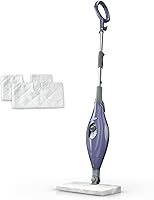
The Shark Steam & Scrub S8001 suits buyers who want powered scrubbing and three steam settings for different cleaning needs. Its rotating pads are designed to tackle stuck-on dirt, while the removable water tank makes refilling easier.
Skip this model if you only need a basic mop for light, occasional cleaning, or if your floor maker advises against steam. Its extra scrubbing features don't make it suitable for damaged grout or surfaces with unknown care requirements.
The Bissell PowerFresh Deluxe 1806 is a better fit if you want a built-in brush for targeted scrubbing. Its SpotBoost Brush addresses stuck-on messes, and High and Low settings let you choose between two steam levels.
Skip it if you don't need a brush or prefer powered mop pads to manual spot work. Its brush doesn't change the need to check the floor and grout instructions before steaming.
The Bissell SpinWave Hard Floor 20393 suits floors where you want powered pads and targeted spray without steam. Its on-demand dispenser applies solution where needed, so follow its instructions and confirm the solution suits your floor.
Skip it if steam is the feature you want, or if the floor maker doesn't approve its cleaning solution. This model is a spin mop, not a steam mop.
Will a steam mop remove dark grout stains?
A steam mop may loosen surface soil, but it may not remove deep or set-in grout stains. Results depend on the stain, grout condition, pad contact, and the care rules for your floor.
Don't keep passing over one spot to force a result. If the stain remains, use a grout-safe cleaner or brush only when the grout maker recommends it, and try the approved method in a small hidden area first.
If the grout stays dark, it may need a different treatment or repair. Avoid bleach and other chemicals unless the tile and grout instructions say they're suitable.
Is a steam mop better than a grout brush?
A steam mop covers a wider tile area, while a grout brush reaches narrow lines more directly. Match the tool to the soil and the surface care instructions.
Use a mop for routine cleaning across the room when steam is approved. A grout-safe brush and cleaner may be a better fit for a small, stubborn mark, but skip abrasive tools that could scratch tile or wear grout.
Whichever method you use, remove grit first. If you're choosing a mop style for the rest of the floor, compare a steam mop vs. spin mop.
What are common steam-mop mistakes on grout?
The most common mistakes are steaming an unapproved surface, using a dirty pad, and holding the mop over one grout line. Each can make cleaning less effective or put extra stress on the floor.
Don't start before you check the tile and grout instructions. Don't add unapproved cleaner to the tank, and don't assume that more heat or repeated passes will remove a deep stain.
Use a clean pad and move steadily. If you notice loose grout, a crack, or pooling water, stop and switch to a method suited to the surface.
Which steam mop should you choose for tile grout?
Choose the Shark Steam & Scrub for rotating pads and three steam modes, or the Bissell PowerFresh Deluxe for its built-in SpotBoost Brush. Pick the SpinWave if you want powered pads and targeted spray without steam.
The key decision is whether steam is allowed on your specific tile and grout. If either surface is unsealed, damaged, or covered with an unknown coating, check its care instructions before cleaning.
Use steam for routine surface soil only when approved, and turn to a grout-safe method for stains deep in the lines. For another model-specific routine, see how to use a Bissell steam mop.
Frequently asked questions
Can a steam mop damage grout?
Yes, steam may worsen cracked, loose, or deteriorating grout, and heat can affect some grout sealers. Check the tile and grout makers’ care instructions before use.
If the grout is damaged or you don't know what sealer is on it, choose a cleaning method those makers approve.
Does steam clean grout lines?
Steam may loosen surface soil on grout, but a mop pad may not reach into narrow or deeply stained lines. Sweep first, use the mop as its manual directs, and keep it moving.
For set-in stains, choose a grout-safe method recommended by the grout maker.
Should you use a steam mop on unsealed tile?
Don't assume unsealed tile is safe for steam. Porous tile and grout can absorb moisture, and the right care depends on the material and finish.
Check the floor maker’s instructions; if they don't approve steam cleaning, use its recommended method.
Can you use a steam mop on sealed tile?
Often, but confirm that the tile and grout makers allow steam before cleaning. Sweep or vacuum grit first, use a clean pad, and keep the mop moving according to its manual.
Take extra care around cracks, worn grout, and coatings that may be heat-sensitive.